
The How to Read Book is a series of exercises for beginning and struggling readers. Our tutors work one on one with your student to help them achieve reading fluency. The exercises target the development and strengthening of phonological awareness in parallel with the visual word form area (the ‘letterbox’).
Sessions are provided via Zoom video conferencing.
How Early Reading Works
An Overiew
When we read, a few things are going on in the brain in parallel with each other. In parallel means happening at the same time and connected in some way. Processing letters and sounds happens early in reading, and the two systems responsible should be targeted and developed, and their connection strengthened.
Processing letters and sounds isn’t the only thing going on when we’re reading, but it’s the first. There are other processes that help us link words to meanings and symbiotically use those meanings as context to inform our decoding. And there are really cool things happening, too, like simulating the language we’re reading in corresponding sensory regions so that you can feel the ‘cold, metal doorknob’ and hear the ‘squeak of the hinges’ as you read those words. A fluent reader uses all of these systems harmoniously when reading. But processing letters and their corresponding sounds kicks the whole thing off.
The Two Systems Involved in Early Reading
The visual system responsible for processing letters is called the Visual Word Form Area, or ‘letterbox.’ The letterbox must be able to identify, retain, call up, and manipulate letters, called graphemes. These are the symbols that make up our alphabet. The letterbox is what allows us to picture letters without having to see them. We call this ‘graphemic awareness.’
The auditory system responsible for processing phonemes, the sounds of our language, is called phonemic awareness. It must be able to identify, retain, call up, and manipulate sounds. Your phonemic awareness is what lets you hear the word spooft without having to say it out loud.
Learning to Read
Learning to read begins with understanding the letters of the alphabet, memorizing the letter names (A = /ā/, as in play) and their corresponding sounds (a = /ǎ/, as in cat. Progressing to proficiency in three-sound decoding (dog) is an important achievement in early reading. As you become a reader, making a sincere attempt at “the first three” letters of a word helps to trigger many of the downstream processes involved in fluent reading.
Fully learning the alphabet requires knowledge of letter names and sounds. Consonants tend to cause fewer problems than vowels, although the consonants that look similar (b/d, m/n) can be tricky, as well as consonants with two sounds (g says both /ğ/ and /j/).
The vowels, on the other hand, can cause a lot of trouble. For one, they are all very similar in how they sound and how your mouth makes them. This can lead to confusion in encoding these sound/symbol relationships effectively.
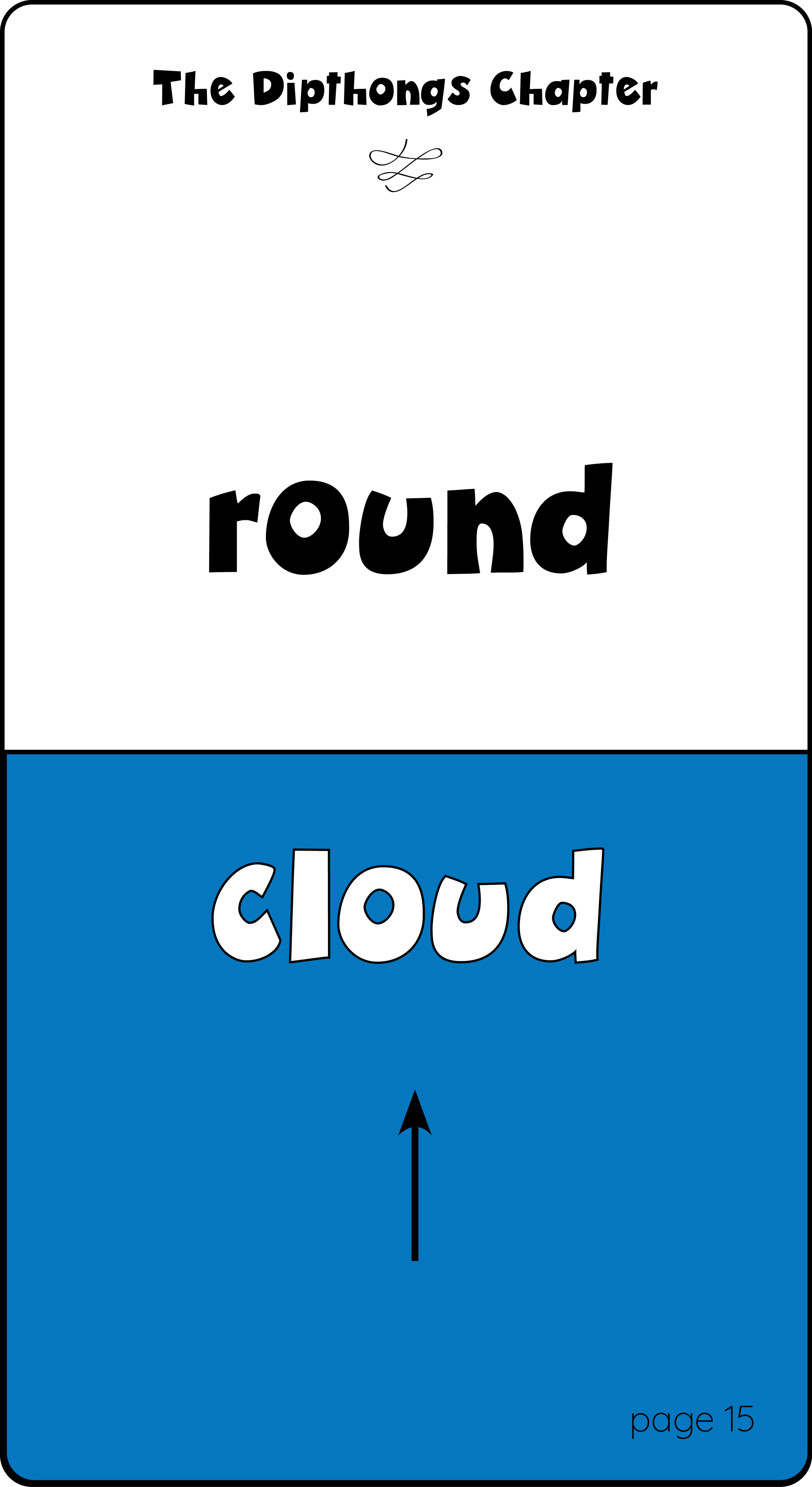
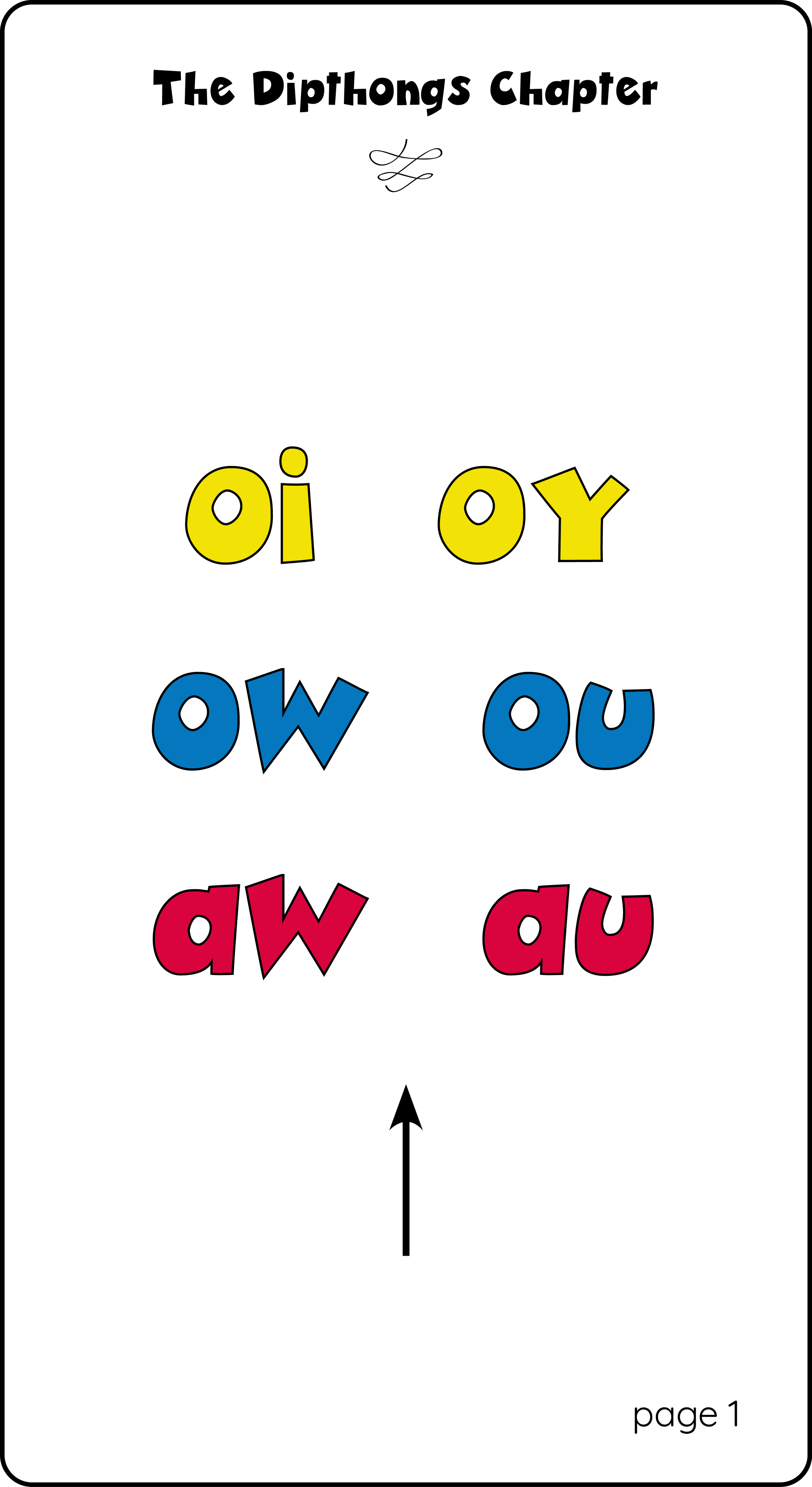
To complicate things, vowels comprise most of the digraphs in our language. Digraphs occur when two letters combine to make one sound (sh, ch, oi). Furthermore, the vowel digraphs often look as similar as they sound (try teaching aw/ow to a student after they’ve miscoded them early on). While there are only 5 vowels, the total vowel count grows to 25 when digraphs are included.
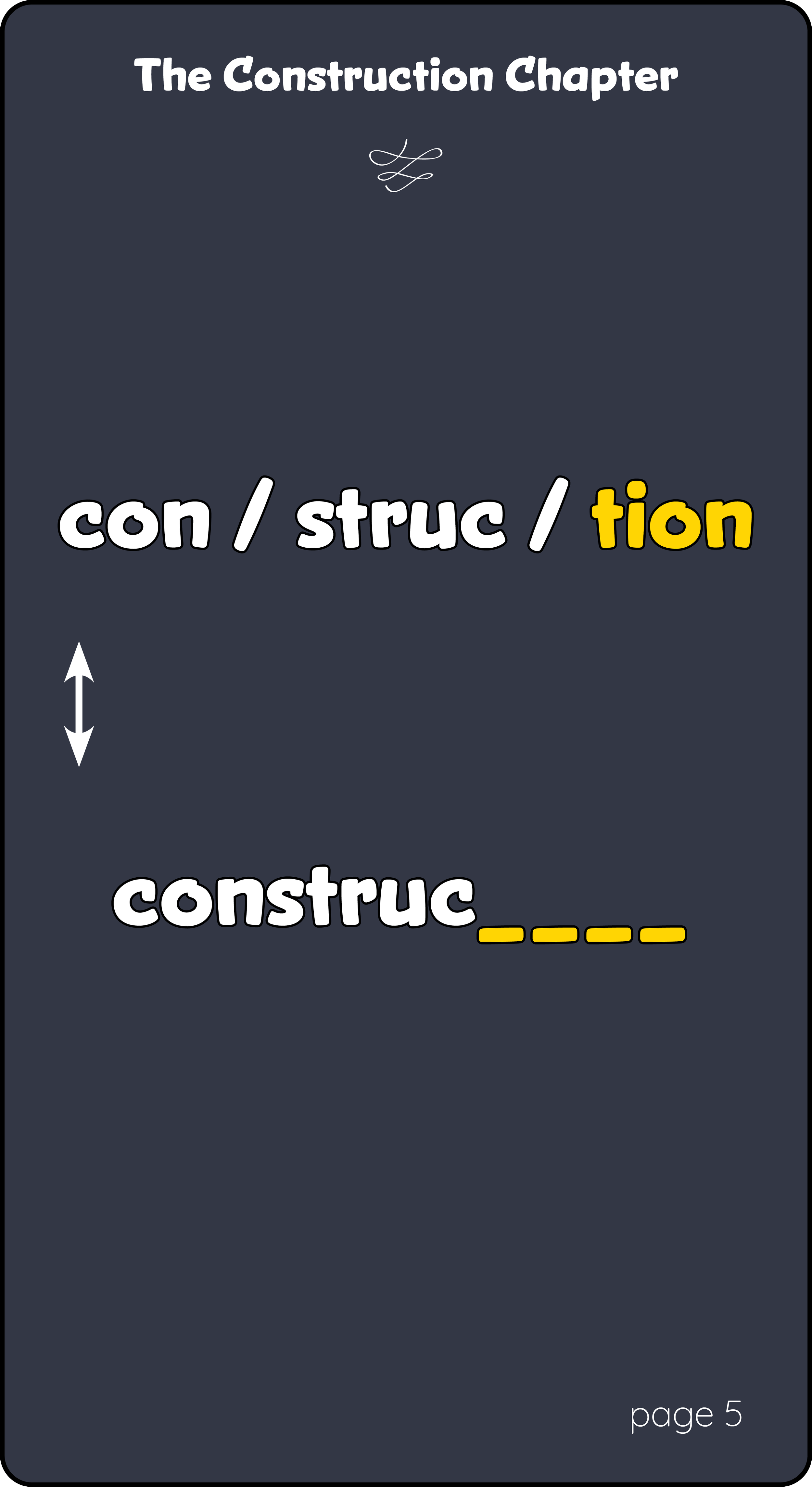
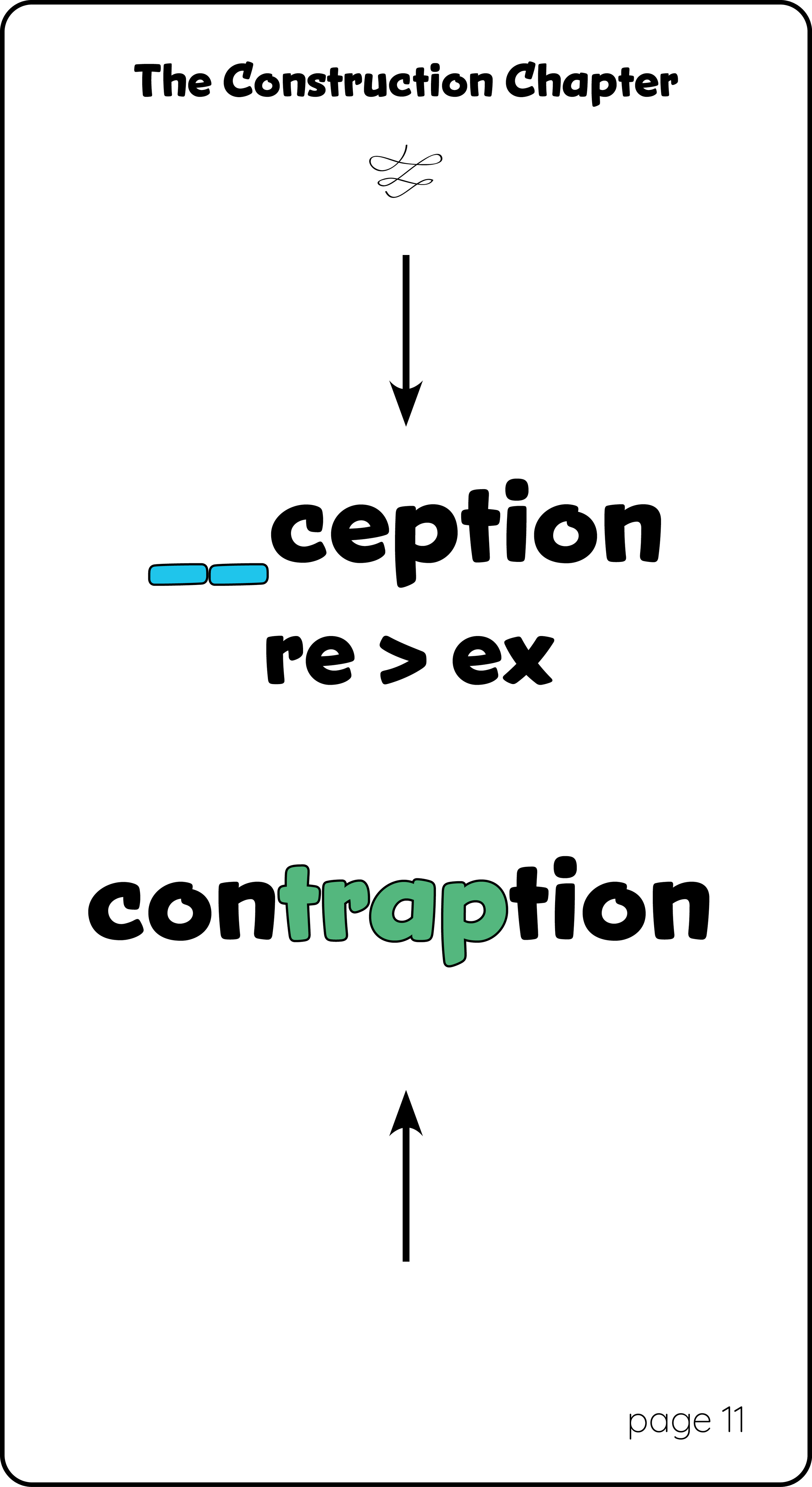
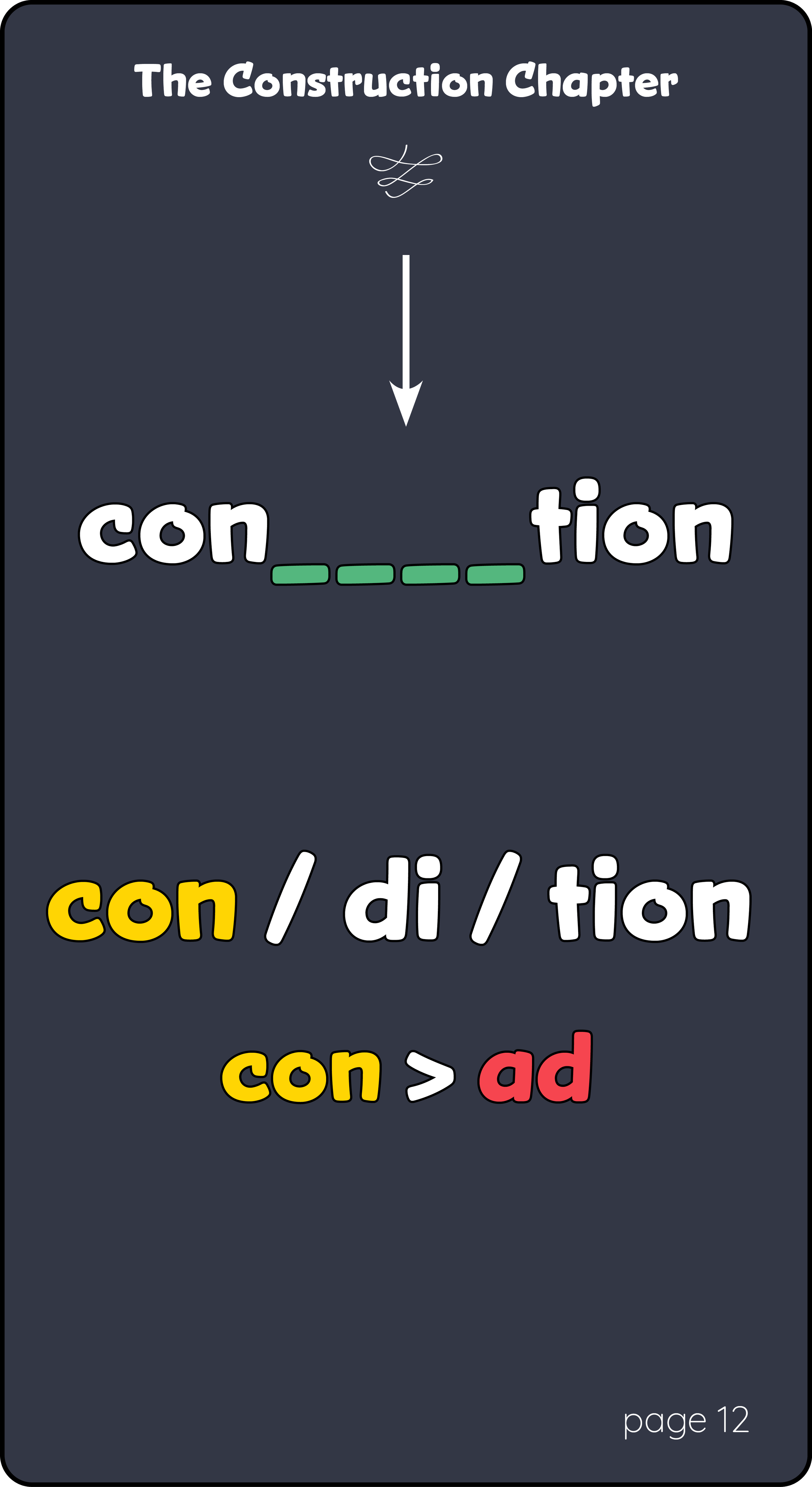
Beyond that there’s syllabication, where -tion is /shun/; pre-, per-. pro-, and por- all exist happily amongst each other; and vowels say their name or their sound depending on where you break the syllable, or sometimes depending on seemingly nothing at all.
Learning to read can be frustrating because it simultaneously requires rigid knowledge of rules yet the flexibility to throw them all out depending on the word you’re up against.
Working with Early Readers
If you have an early reader at home, emphasize that each letter has a name and a sound. Start with the alphabet and then slowly introduce the 25 vowel types and their letter-sound combinations. A reader should be able to tell you the sound of any letter you name and should be able to name a letter when you give a sound. And they should be able to do the same—give the name and sound—when seeing the letter on paper. Importantly, these are two distinct systems at play: phonemic awareness and graphemic awareness. A skill in one does not mean a proficiency in the other. Both must be practiced.
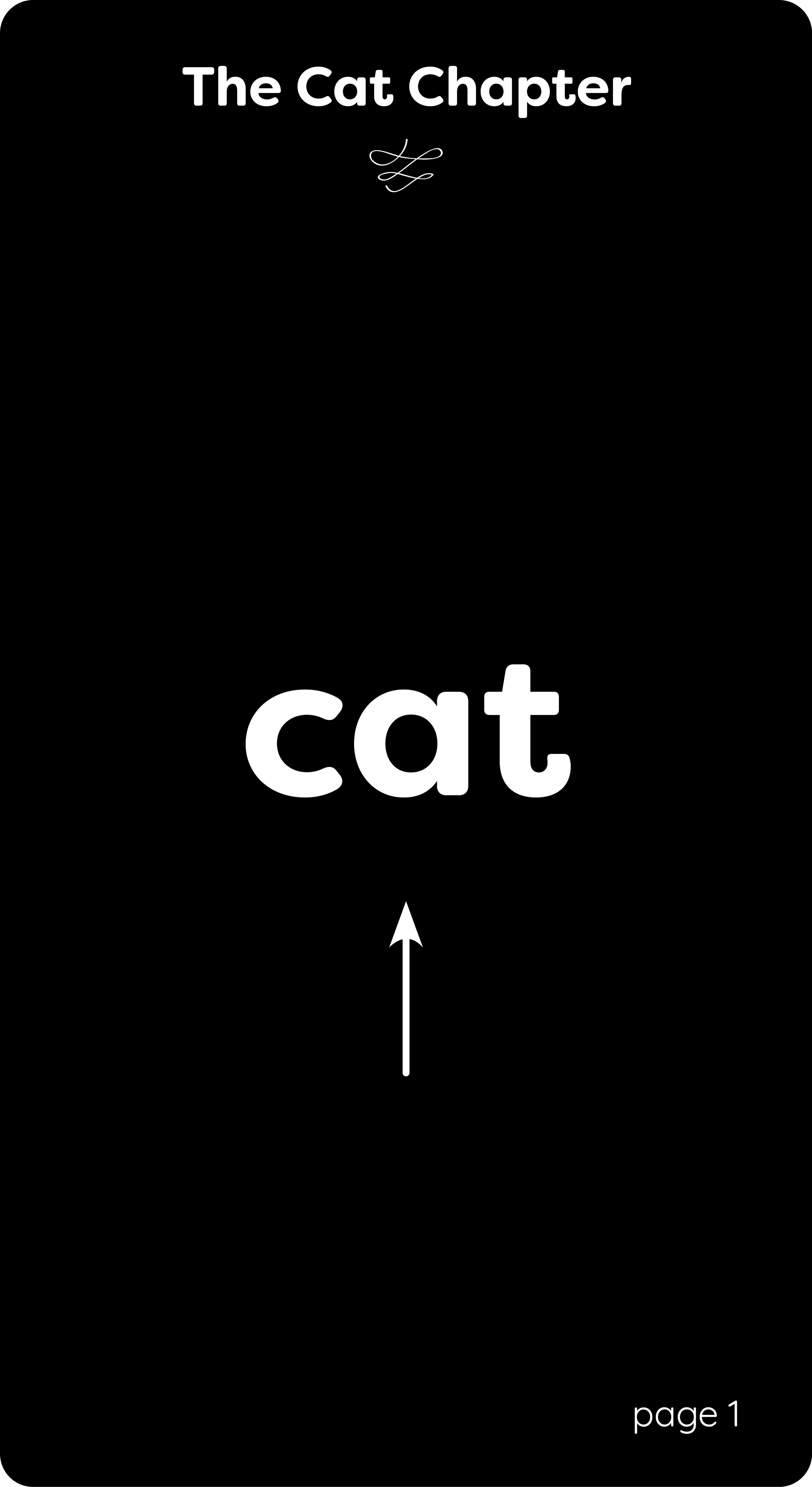
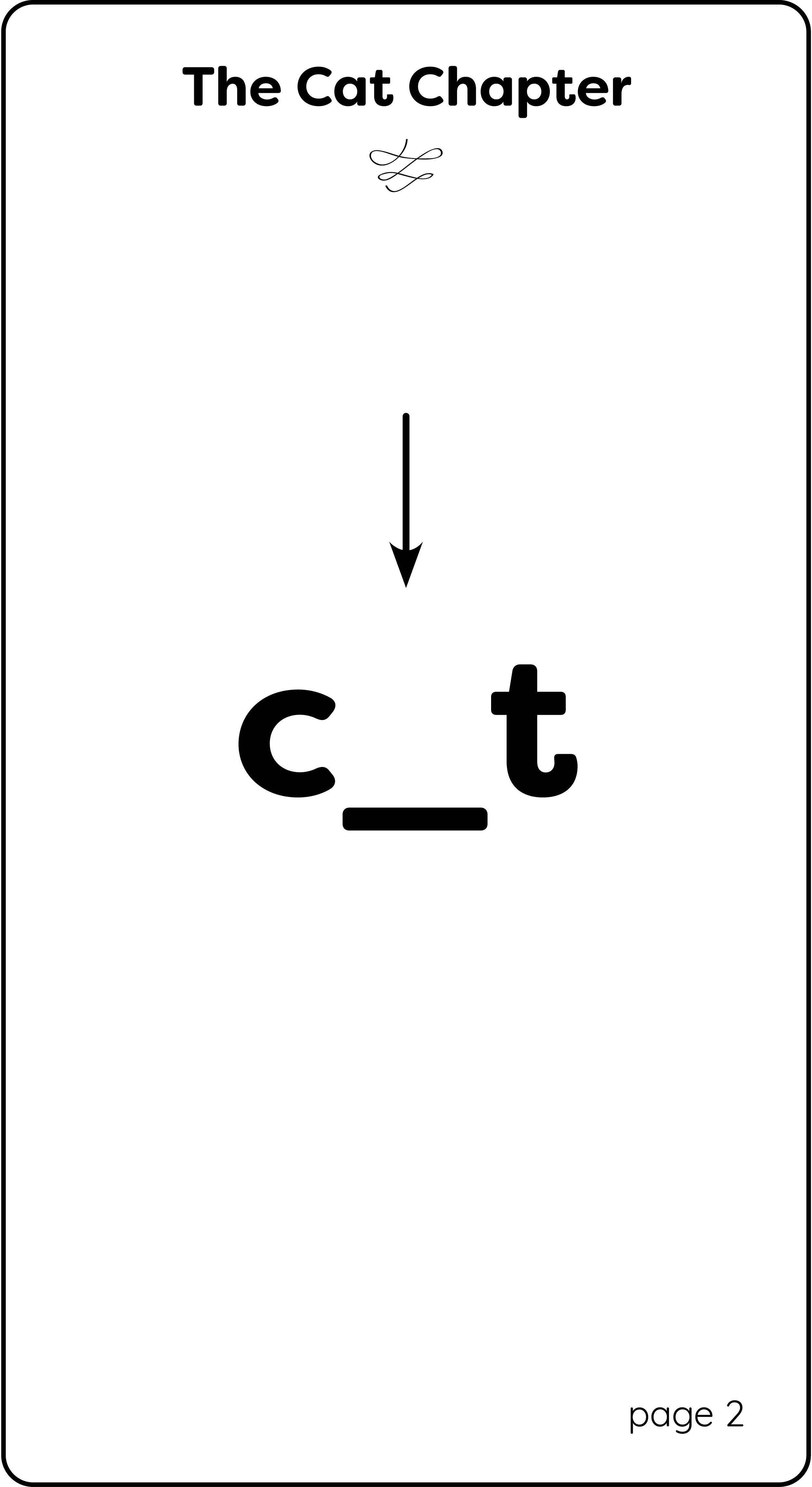
To ensure the connection between these two systems strengthens, a third exercise can help. Give a visual stimulus (the letter or word on paper) and then remove the word by covering it up before the student reads it. This forces recall without visual support and strengthens orthographic mapping, which is what this whole thing is all about.
A Final Note
Reading is a uniquely powerful skill. The goal of reading instruction should be to create a reader—someone who reads consistently and habitually for a lifetime, and who desires to read because it is entertaining, enlightening, and peaceful. A reading habit will grow your vocabulary, your understanding, your patience, your knowledge, your focus, and more.
The How to Read Book can help get you started. But once you’re on the page, the best practice is to read, and to read often.